



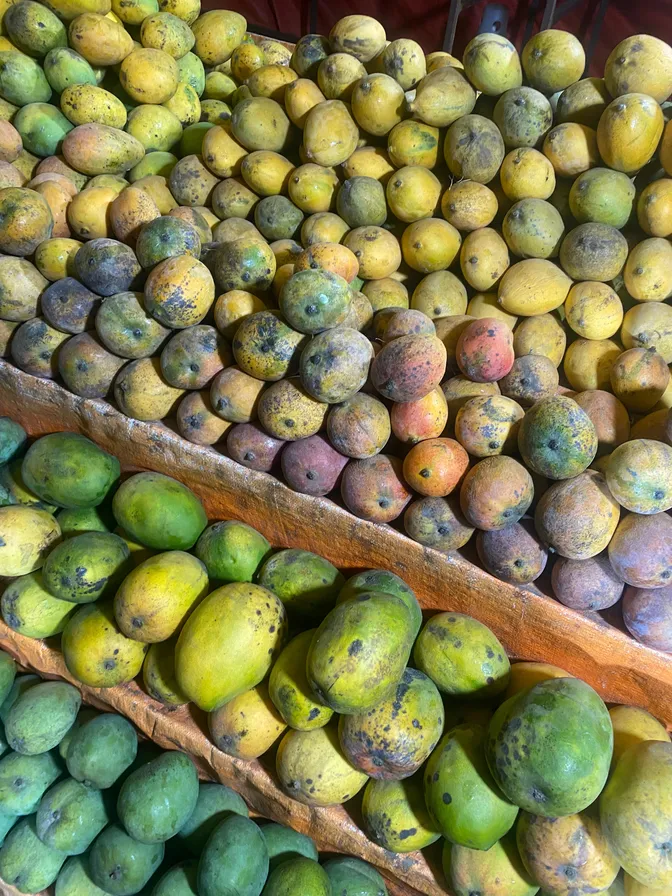
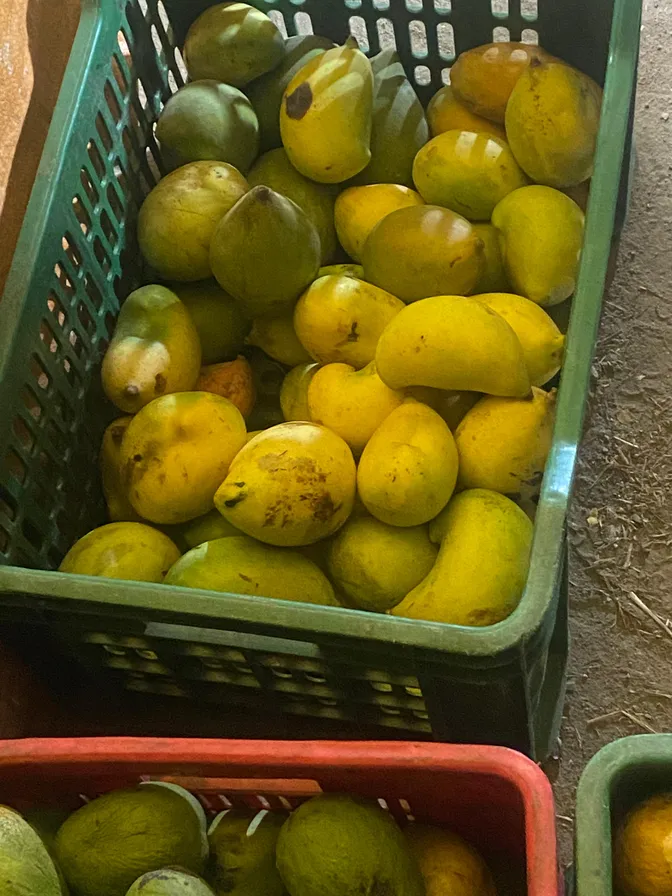
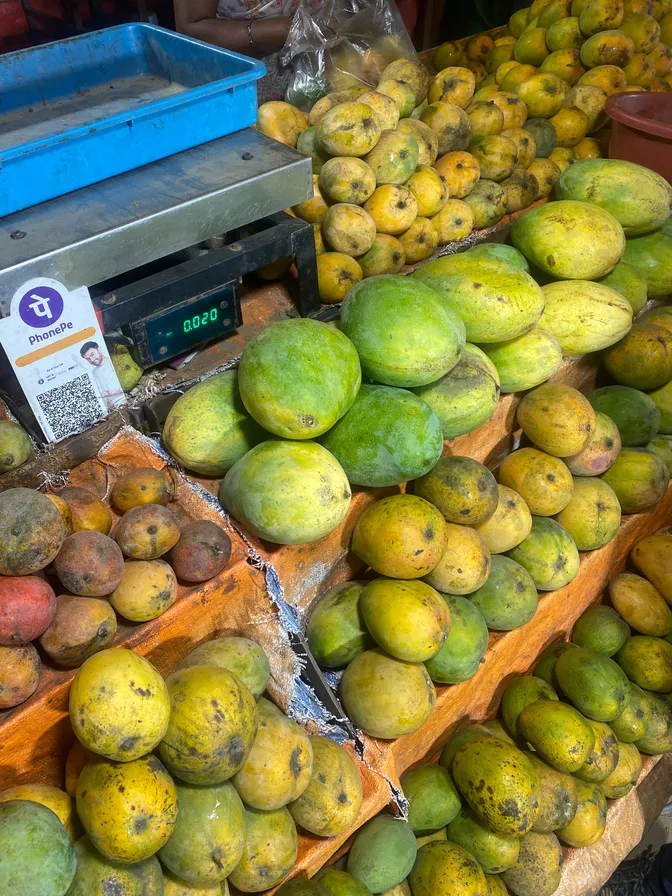
Me and my family were travelling from Bangalore back to my native and on the way we started seeing Mango shops started to appear at the side one after the other. At first we didn't thought much but after crossing 2 shops we started to talk about it and the driver was also telling that here the Mangoes will be great. After 4th shop it started to tempt me and eventually with more of talking my father told to stop the car and we stopped at the stall and bought them. There were a variety of mangoes and they were from different locations too. I got the names of the variety from the shop keeper but I eventually forgot it but I will add the photos here.(do comment if you know the mango variety name).
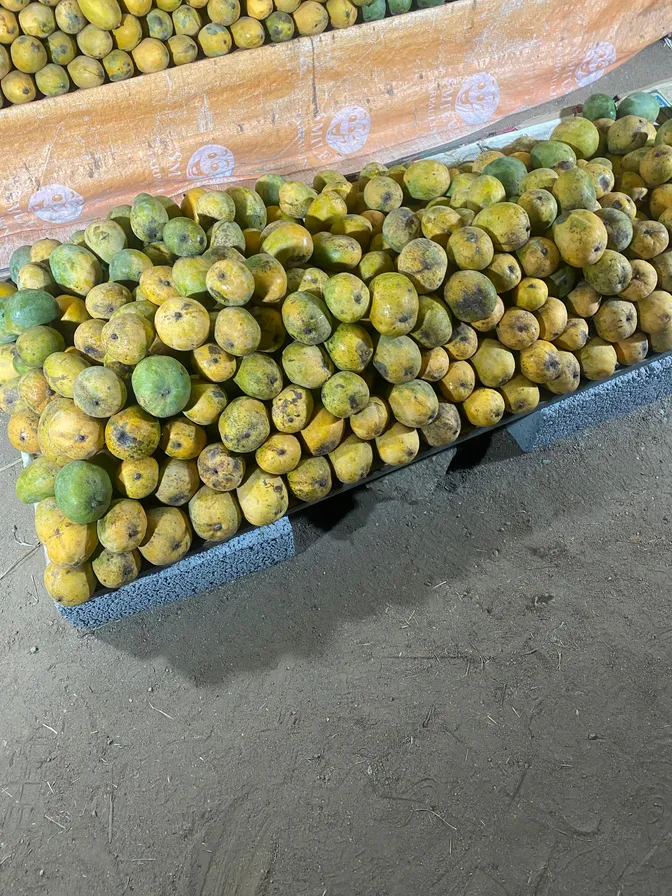
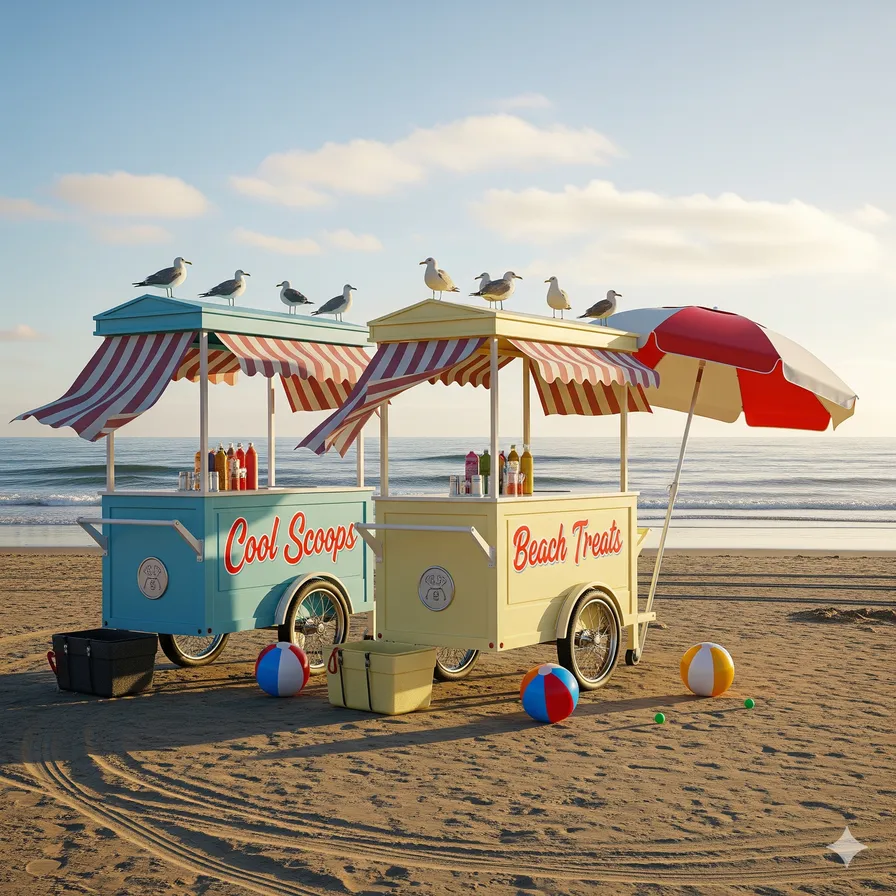
I am sure you might also came across something like this need not to be same mango shop, but something similar to this like a ice-cream vendors in beach/festivals, flower vendors at the roadside, car showrooms adjacent to another etc. I was curious about this type of marketing stratergy and found that it is called Hotelling Model or Principle Of Minimum Differentiation. This was proposed by Harold Hotelling in 1929 to explain the optimal location of businesses on a linear street. The concept behind is that when you see a cluster of shops it creates a destination. If it was like a single shop we would have not much think about it but when we see a bunch of them it creates a pull to stop and see this. The psychology behind this like when you see a cluster of same shops adjacent to each other it creates a view like its a trustable place to buy. Because when we were crossing the shops one after another atleast in 3-4 shops there were people stopping and buying mangoes and seeing this it created a view like its a trustable location to buy mangoes. Next thing was whenever you go and buy a product you will compare prices but here we were in a car we didn't even think about the price we just stopped like when we saw it was a right one. These along with the repeated sighting of the stalls and mangoes made us familiar and we stopped when we felt right. Coming back to this law it states that in a competitive market competitors will tend to make their products or services very similar to one another to maximize their market share. In this there is advantages and also disadvantages. Advantages are collective shops create increased visibility and attraction, reduced marketing costs, supply chain benefits. For this kind of mango shops since they are placed at a distance from one another they don't have the price wars. But they too have some disadvantages like when a 2 or 3 more shops enter this cluster the probability of the customer to stop will also get decreased leading to diminishing returns, limited customer base (only travelling people will stop) and most importantly if there happens a temporary permanent diversion then the entire business model will be collapsed.
In this article, I have mentioned about the mango shops as an example to explain this concept this happens in all the business. So the differentiation and features in the product is more important. People will be willing to buy even if the cost is high when you provide the unique value.


